The Importance of Venue Selection
Choosing the right venue is more than just a logistical consideration; it’s a cornerstone that can shape the success of an event. The venue sets the tone and can significantly impact the overall experience of the attendees. From corporate functions to weddings, the venue selection impacts everything—the mood, engagement, and satisfaction of the participants. To excel at it, event planners need to delve into various aspects of venue selection, ensuring they understand the audience and characteristics that facilitate a successful event. For insights on how to enhance your event planning, consider valuable resources like https://www.casablancahire.co.uk/.
Understanding Audience Needs
Event success begins with comprehending the audience’s needs and preferences. This understanding can be achieved through surveys, informal interviews, or demographic research. Tailoring the venue to meet the specific expectations of attendees, such as accessibility, amenities, and capacity, is essential.
For example, catering to a corporate audience may require a different environment compared to a social gathering. The type of seating arrangements, breakout spaces, and even refreshments should align with the expectations of the audience to foster interaction and engagement.
Evaluating Venue Features
The characteristics of a venue play a crucial role in its suitability. Key elements include seating capacity, layout options, facilities, and technological capabilities. Venues should also feature quality sound systems, projection equipment, and Wi-Fi connectivity. Prioritizing venues with various flexible spaces can enhance attendee experience by accommodating different activities throughout the event.
Moreover, the aesthetic appeal of the venue contributes to the overall feel. Venues with unique architecture or beautiful outdoor spaces can enhance the visual experience both in-person and on social media, thus increasing brand visibility.
The Role of Location
Location choice extends beyond mere convenience. Assessing transportation options, parking availability, and nearby accommodations is critical for attendee satisfaction. A centrally located venue can increase attendance and reduce stress for attendees traveling from various locations.
Additionally, considering the neighborhood surrounding the venue can provide unique experiences for attendees outside of scheduled event activities. A vibrant area with local attractions can foster networking and social interactions, further enriching the overall event experience.
Designing the Perfect Atmosphere
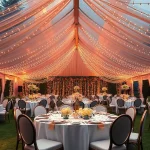
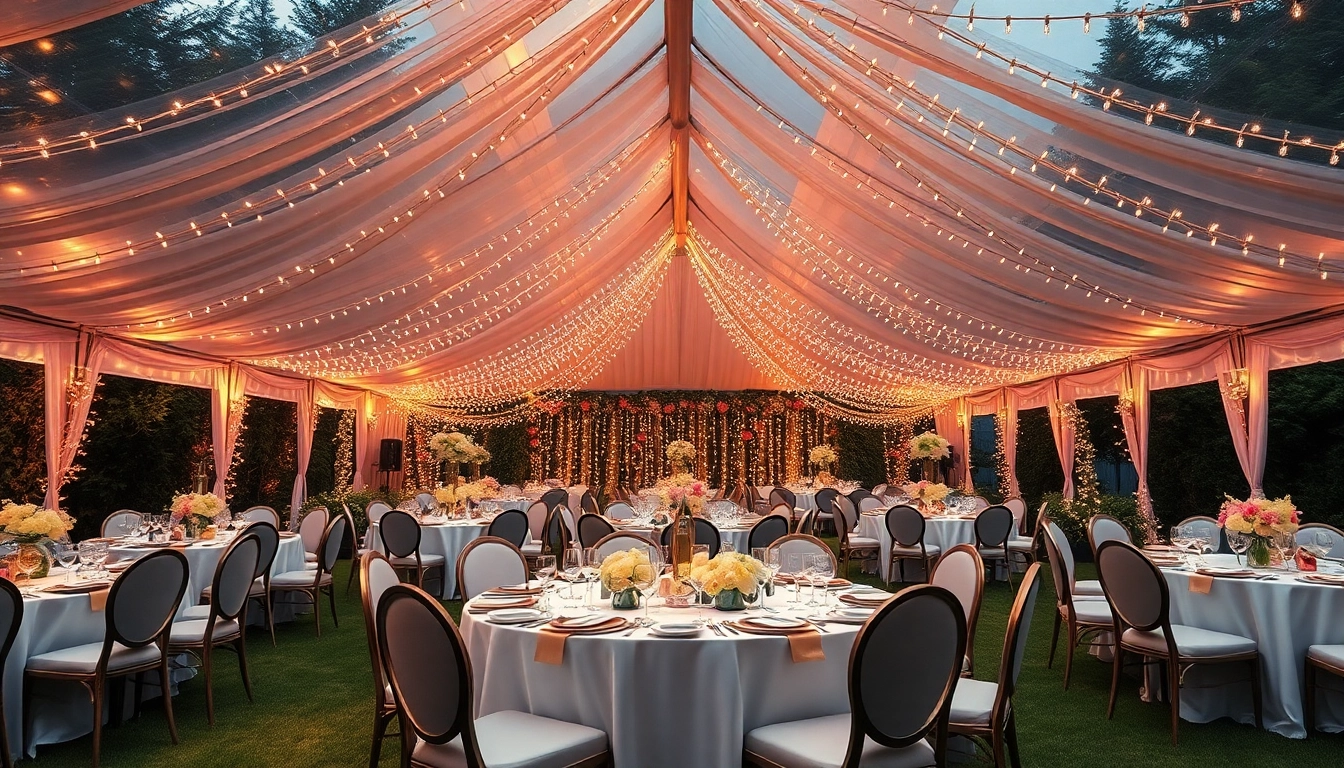
The atmosphere created in an event space greatly influences attendee experiences. Design elements such as color schemes, lighting, and natural elements can profoundly impact how participants feel. Designers and planners must harmoniously combine these elements to achieve the desired ambiance.
Color Schemes and Themes
Color schemes are not only visually appealing but also evoke emotional responses. Selecting a theme that aligns with both the event’s purpose and the audience’s preferences can enhance engagement. For instance, bright colors may energize participants in corporate settings, while muted tones might create a calm environment for weddings.
Additionally, themes can be woven throughout all aspects of the event—from invitations to decorations, signage, and even catering—to foster a cohesive experience.
Lighting Techniques for Impact
Strategically placed lighting can dramatically transform a space. Effective lighting techniques include layering ambient, task, and accent lighting to create mood and visibility. For example, dimming lights during presentations can enhance focus, while brightening areas around networking stations can encourage interaction.
Incorporating sophisticated lighting technologies like LED screens or decorative LEDs can further offer dynamic backdrops and enhance the overall visual appeal of the event.
Incorporating Nature
Natural elements can enhance the atmosphere and provide a serene environment for attendees. Incorporating greenery, floral arrangements, or water features can create a refreshing ambiance. Natural materials in furniture, decor, and layouts also contribute to a calming environment, fostering positive engagement.
Moreover, venues with outdoor spaces allow for a seamless blend of indoor and outdoor atmospheres, offering attendees a refreshing change throughout the event.
Essential Equipment for Events
Beyond aesthetics, having the right equipment enhances the functionality of an event space. Properly equipping a venue not only supports logistical needs but also contributes to attendee comfort and engagement.
Type of Furniture and Layouts
The type of furniture utilized can dictate the flow of the event. Comfortable seating arrangements allow for prolonged engagement, while modular furniture can facilitate flexibility in layout. Event planners should consider lounge areas, tables for group discussions, and even quiet areas for rest or private conversations.
Creating different zones within the venue can enhance interaction and networking opportunities, encouraging attendees to move and engage with various spaces throughout the event.
Audio-Visual Gear Needed
State-of-the-art audio-visual equipment is vital for enhancing event experiences. Good sound systems, high-quality projectors, and interactive screens allow for dynamic presentations and engagement. Planners should work closely with AV professionals to ensure that all technical specifications are met and tested well before the event.
Incorporating tools like live polling technology or interactive Q&A sessions can also promote audience engagement and interaction.
Accessibility Considerations
Every attendee should feel welcomed and accommodated at an event. Accessibility considerations begin with the venue itself. Planners should assess entry points, restrooms, and seating arrangements to ensure that all attendees can navigate the space comfortably. Including features like wheelchair ramps and providing assistance where needed foster respect and inclusivity.
Additionally, offering resources such as sign language interpreters, braille materials, or assistive listening devices ensures that everyone can fully participate in the event.
Maximizing Engagement and Interaction
Engagement and interaction are paramount for creating memorable event experiences. Integrating various engagement strategies can facilitate networking, learning, and fun, enhancing the overall impact of the event.
Creating Open Spaces
Designing open spaces encourages attendees to mingle and engage with one another. Utilizing furniture arrangements that promote conversation, such as circular seating or shared tables, fosters interaction.
Additionally, having strategically placed areas for breaks, refreshments, or informal gatherings can encourage natural networking opportunities throughout the event.
Interactive Elements to Incorporate
Interactive elements can significantly enhance attendee engagement. Incorporating icebreaker activities, games, or technology that allows for audience participation (such as live polls) can create a dynamic atmosphere. It’s important to align these activities with the event’s purpose and audience preferences.
The use of branded apps or platforms for attendees to share experiences or insights can also incentivize interaction and build community engagement throughout the event.
Encouraging Networking Opportunities
Facilitating networking requires intentional design and programming. Designing specific sessions for networking, such as breakout groups or meet-and-greet events, allows attendees to interact organically. Incorporating networking tools, name tags with QR codes, or casual group activities helps participants forge connections effectively.
Providing designated networking areas encourages ongoing conversations, enabling relationships to develop far beyond the event itself.
Evaluating Event Success
Post-event evaluation is crucial for understanding what worked, what didn’t, and how future events can be improved. Establishing clear metrics from the start enables better analysis and informed decisions moving forward.
Setting Clear Metrics
Defining success metrics includes elements such as attendance rates, engagement levels, and post-event surveys. Clear expectations allow for analytical comparisons and refine the overall event strategy moving forward.
Metrics should align with the goals of the event, whether they pertain to revenue, brand awareness, or audience engagement, making it easier to evaluate performance and success.
Collecting Feedback from Attendees
Gathering feedback provides invaluable insights into attendees’ experiences. Surveys distributed during and after events can unveil strengths and weaknesses, offering an avenue for learning and improvement. Questions should be tailored to gather specific information on various aspects, from logistics to content delivery.
Additionally, informal feedback collected during networking sessions can highlight areas of improvement that formal surveys may miss.
Adjusting Future Strategies
Analyzing post-event data allows for continual refinement of event strategies. Planners should examine feedback, review success metrics, and engage in team discussions to develop actionable insights. Adjusting the approach based on this evaluation aids in aligning future events closer to audience expectations, making each subsequent event more successful.
Frequently Asked Questions
How important is venue selection for event success?
Venue selection is crucial as it influences logistics, attendee experience, and engagement levels. A well-chosen venue sets the tone for your event.
What factors should I consider about the venue?
Consider the audience’s needs, venue features, and location. Accessibility, capacity, and the surrounding environment also play vital roles.
How can I create an engaging atmosphere?
Use cohesive color schemes, dynamic lighting, and natural elements to craft an inviting and engaging environment.
What essential equipment do I need for events?
Key equipment includes quality AV systems, comfortable furniture, and accessibility features to ensure a positive experience for all attendees.
How can I assess the success of an event?
Evaluate success through predefined metrics, attendee feedback, and participation levels to gather insights for future improvements.